
As the global population continues to grow, the pressure on our food systems is greater than ever. By 2050, we will need to increase agricultural production by 50%, even as we face shrinking farmland, erratic weather, and limited water resources (World Bank Group, 2022). The good news? Innovation is redefining how we grow, produce, and consume food.
The next decade will witness a new wave of sustainable agriculture, powered by technology, regenerative practices, and circular systems. Here’s a look at the game-changing trends transforming the future of farming.
Precision Agriculture: Farming Smarter with Data
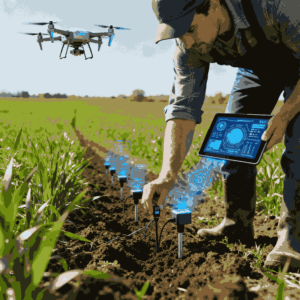
Imagine being able to know exactly how much water, fertilizer, or pesticide your crops need, and when. That’s what precision agriculture makes possible.
With drones, soil sensors, and AI-based analytics, farmers can monitor crops in real time and make informed decisions that boost yields while reducing resource waste. From GPS-guided tractors to predictive weather tools, this is farming that’s smarter and more efficient.
Regenerative Farming: Healing the Land
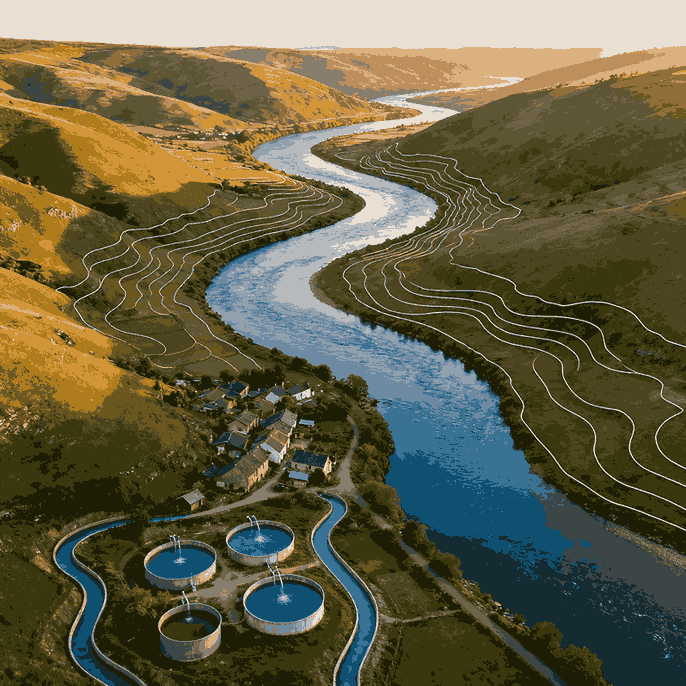
Sustainability is about doing more good rather than doing less harm. Regenerative agriculture focuses on restoring soil health, increasing biodiversity, and capturing carbon.
Practices like cover cropping, watershed management, multitier cropping, and agroforestry are bringing life back to degraded lands and helping farmers build climate resilience (Cossel et al., 2025). It is a win for nature and for farmers’ long-term productivity.

Vertical and Controlled Environment Farming
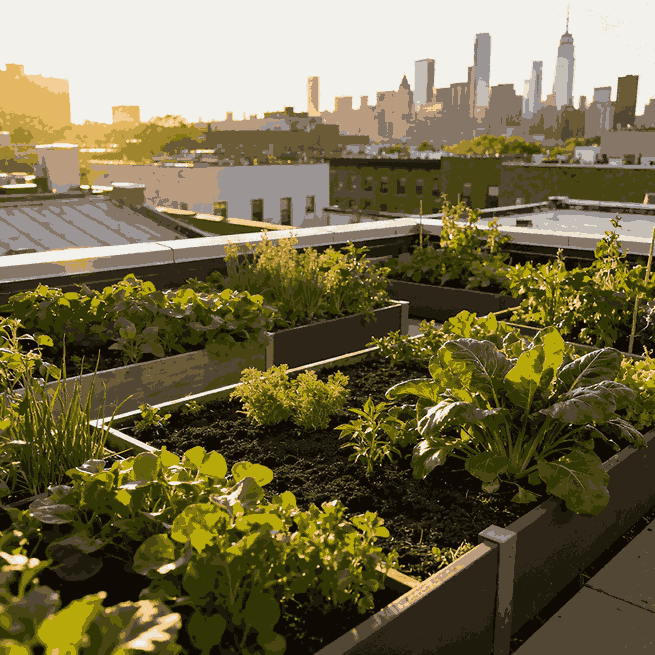
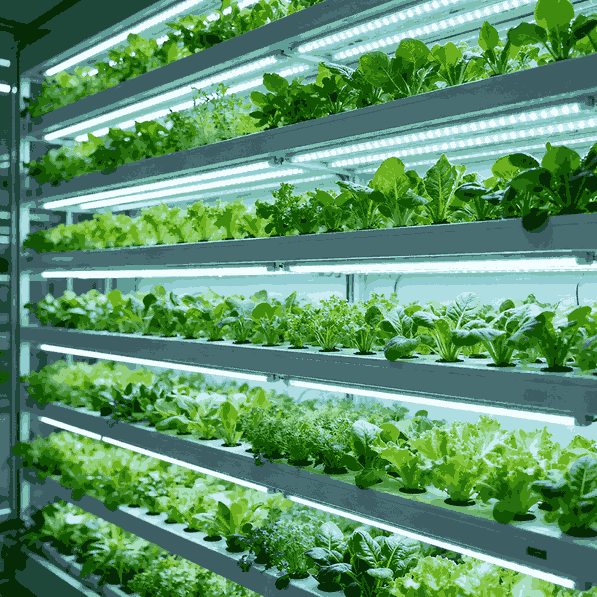
Urban farms are no longer science fiction. With rooftop farming, vertical farming, hydroponics, and aquaponics, crops can be grown in stacked layers inside climate-controlled spaces, using up to 90% less water (Singh et al., 2024) and no pesticides. By bringing food production closer to consumers, these innovations are reducing food miles and helping cities grow their own fresh produce all year round.
Climate Resilient Crops and Biotechnology
As extreme weather becomes the norm, scientists are developing climate-resilient crops using tools like CRISPR gene editing (Koshariya, 2022). These crops can thrive in heat, drought, or floods, ensuring stable food supplies even under pressure.
At the same time, biotechnology is improving nutrition, yield, and shelf life, creating crops that are both sustainable and nourishing.
Renewable Energy and Circular Farming Systems
Many farms are generating their own energy through solar panels or biogas plants. Even better, they are closing resource loops by using waste as input, like turning animal manure into biogas or crop waste into soil-enhancing biochar.
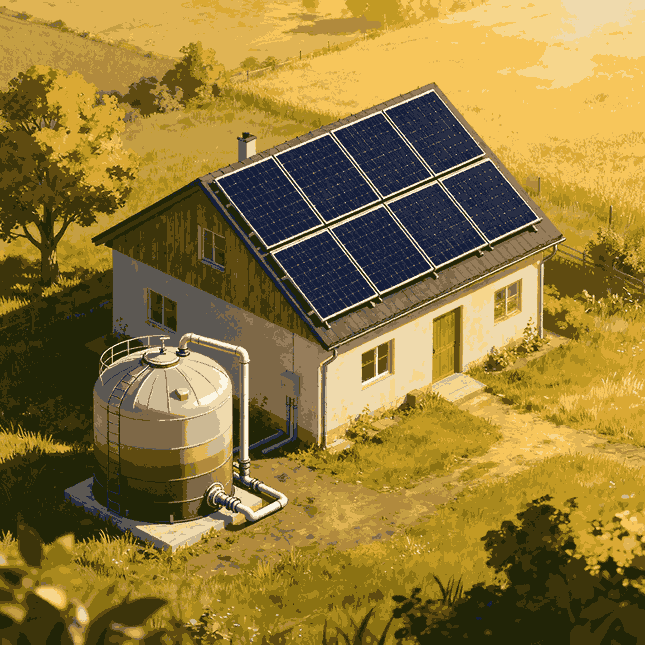
This circular approach is redefining efficiency and helping farms become more self-sufficient eco-friendly.
Digital Marketplaces and Blockchain for Transparency
Technology is also transforming how food moves from farm to fork. Blockchain-based traceability systems help track produce, ensuring it is ethically and sustainably sourced.
Meanwhile, digital marketplaces empower farmers with direct access to buyers, real-time pricing, and fairer trade opportunities, making the entire food system more equitable.
The Decade Ahead:
The future of agriculture is about integration and innovation. When technology, ecology, and human insight come together, we can build farming systems that feed the world while restoring the planet.
At Edha Sustainability Solutions, we are passionate about helping organizations and communities adopt sustainable, science-based practices that make a real difference, from climate-smart agriculture to low-impact food systems.
Ready to grow sustainably?
Partner with us to explore how organizations can contribute to the future of sustainable agriculture.
References
Cossel, M von., Scordia, D., Altieri, M., Gresta, F. (2025). ‘Spotlight on agroecological cropping practices to improve the resilience of farming systems: a qualitative review of meta-analytic studies’. Frontiers in Agronomy, vol. 7. Available at: https://doi.org/10.3389/fagro.2025.1495846 (Accessed on 08/10/2025).
Koshariya, A. K. (2022). ‘Climate-resilient crops: Breeding strategies for extreme weather conditions’. Plant Science Archives, vol. 7, issue 2. Available at: https://doi.org/10.51470/PSA.2022.7.2.01 (Accessed on 08/10/2025).
Singh, A., Ashoka, P., Nasima, Tyagi, V., Panotra, N., Kalpana, K., Mubeen, and Pandey, S. K. (2024). ‘A comparative analysis of land, water, and energy requirements for hydroponic and conventional cultivation of horticultural crops’. Journal of Scientific Research and Reports, vol. 30, issue 90, pp. 771-784. Available at: 10.9734/jsrr/2024/v30i92404 (Accessed on 08/10/2025).
World Bank Group (05/10/2022). Water Resources Management. Available at: https://www.worldbank.org/en/topic/waterresourcesmanagement (Accessed on 06/10/2025).