In a world increasingly aware of its environmental footprint and social impact, sustainability has evolved from a niche concern to a core business imperative. Consumers, investors, and regulators are all demanding greater transparency and accountability from organizations. But how do you prove your commitment to sustainability isn’t just talk? Enter sustainability certifications – a diverse and sometimes confusing landscape of labels, standards, and audits.
At Edha Sustainability Solutions, we understand that navigating this landscape can feel like deciphering a secret code. Our mission is to simplify these certifications, helping businesses of all sizes, from small-scale farms to global corporations, achieve credible recognition for their sustainable practices.
Why do Certifications Matter? The Growing Demand for Verified Sustainability
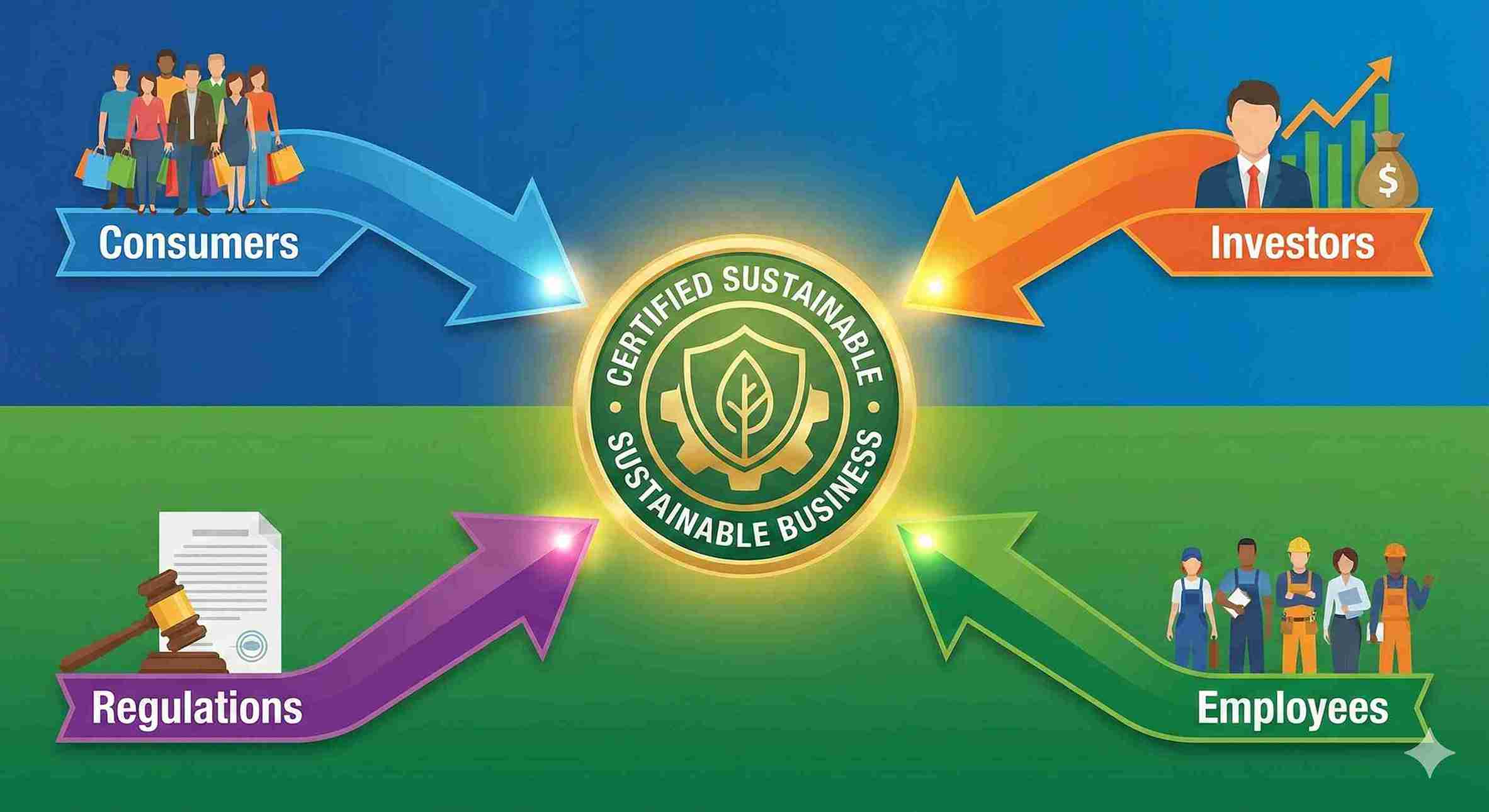
There are different factors pushing for sustainability. Some of them are discussed below.
1. Consumer Demand: A recent study by NielsenIQ found that 78% of US consumers say a sustainable lifestyle is important to them, and they are willing to pay more for sustainable products (NielsenIQ, 2023). This translates into a powerful market signal.
2. Investor Pressure: Sustainable investing or ESG (Environmental, Social, Governance) investing is booming. There has been a notable rebound in fund flows to the global sustainable fund universe, which netted over 4.9 billion in the second quarter of 2025 (Morningstar, 2025). Investors are actively seeking companies with strong sustainability performance.
3. Regulatory Scrutiny: Governments worldwide are introducing stricter environmental regulations and disclosure requirements, making verified sustainability a legal necessity in many sectors.
4. Supply Chain Resilience: Certification can enhance supply chain transparency and resilience, mitigating risks associated with environmental damage, labor abuses, and reputational harm.
5. Employee Attraction and Retention: Companies with strong sustainability credentials often find it easier to attract and retain top talent, particularly among younger generations who prioritize purpose-driven work.
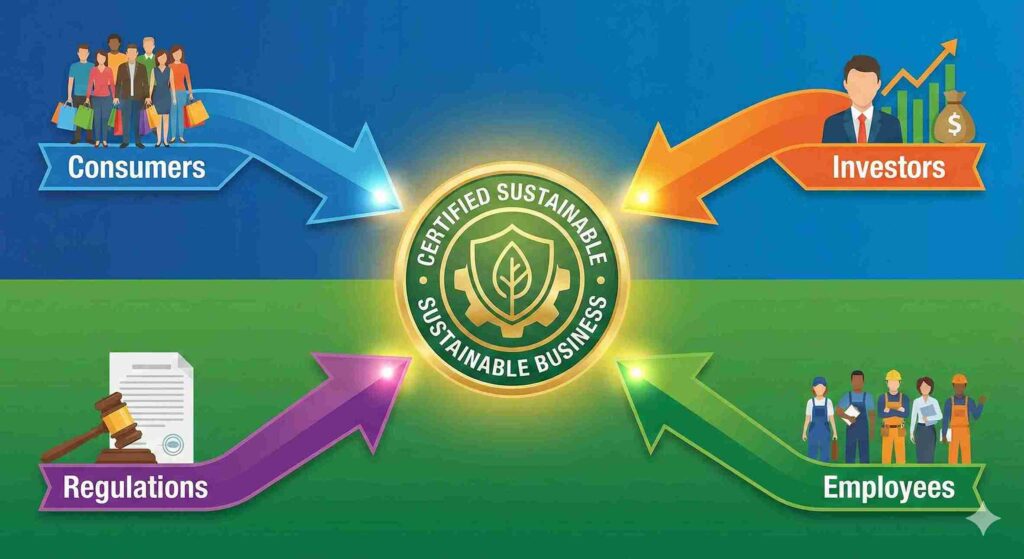
Figure 1: Deciding factors for a sustainability certification (AI generated)
The Certification Spectrum: A Journey from Field to Fortune
Sustainability certifications are not a one-size-fits-all solution. They vary widely in their scope, focus, and the industries they serve. Let us explore some key categories:
A. Agricultural & Food Certifications: Nurturing Our Planet and People
The journey of many products begins on a farm. Certifications in this sector ensure responsible land use, ethical labor practices, and the protection of biodiversity.
- Organic Certifications (e.g. USDA Organic, EU Organic, NPOP): These are perhaps the most recognizable, ensuring products are grown without synthetic pesticides, GMOs, or chemical fertilizers. They focus on ecological balance and biodiversity (USDA Agricultural Marketing Service, European Organic Food, and APEDA websites).
- Fair Trade (e.g. Fairtrade International): Focuses on social equity and ensures fair prices for farmers, safe working conditions, and community development (Fairtrade website).
- Rainforest Alliance: Promotes biodiversity conservation and sustainable livelihoods in agriculture and forestry, covering environmental and social criteria (Rainforest Alliance website).
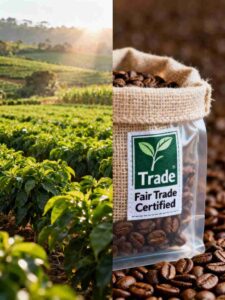
Figure 2: An organic farm and an imaginative Fairtrade certified coffee beans (AI generated)
B. Forestry and Wood Products: Sustaining Our Forests
The certification programmes in forestry and wood products make sure that the forest resources are managed responsibly. This is vital for climate regulation and biodiversity.
- Forest Stewardship Council (FSC): This certification ensures that wood and paper products come from responsibly managed forests, providing environmental, social, and economic benefits (FSC website).
- Programme for the Endorsement of Forest Certification (PEFC): This is another leading global forest certification system promoting sustainable forest management through independent third-party certification (Find out more on PEFC website).
C. Building & Construction: Green Structures for a Greener Future
The built environment has a significant environmental impact. Certifications here promote energy efficiency, responsible material sourcing, and healthy indoor environments.
- LEED (Leadership in Energy and Environmental Design): A globally recognized standard for green building, LEED certifies buildings for their design, construction, operations, and maintenance (U.S. Green Building Council – LEED).
- BREEAM (Building Research Establishment Environmental Assessment Method): A leading sustainability assessment method for masterplanning projects, infrastructure, and buildings, focusing on environmental, social, and economic sustainability (Find out more on BREEAM website).
- GRIHA (Green Rating for Integrated Habitat Assessment): India’s National Rating System for green buildings, endorsed by the Government of India. GRIHA attempts to minimize a building’s resource consumption, waste generation, and overall ecological impact to within nationally acceptable limits/benchmarks. Its star rating system (1 to 5 stars) is based on 30+ criteria covering site selection, energy optimization, water and waste management, and sustainable building materials. GRIHA is particularly favored for projects seeking alignment with Indian government incentives and local climatic needs (GRIHA Council).
D. Corporate & System-Wide Certifications: Holistic Sustainability
These standards demonstrate a broader commitment to sustainability across an entire organization’s operations.
- B Corp Certification: This rigorous certification assesses a company’s entire social and environmental performance, accountability, and transparency, ensuring businesses balance profit and purpose (Explore more on B Corp website).
- ISO 14001 (Environmental Management Systems): An internationally recognized standard that provides a framework for organizations to design and implement an effective Environmental Management System (EMS) (More on ISO 14000 family).
- Carbon Neutral/Net Zero Certifications: Various organizations offer certifications to verify that a company has accurately measured its carbon footprint, reduced emissions where possible, and offset unavoidable emissions to achieve carbon neutrality or net zero status. The verification by Carbon Trust is one such example (Carbon Trust).
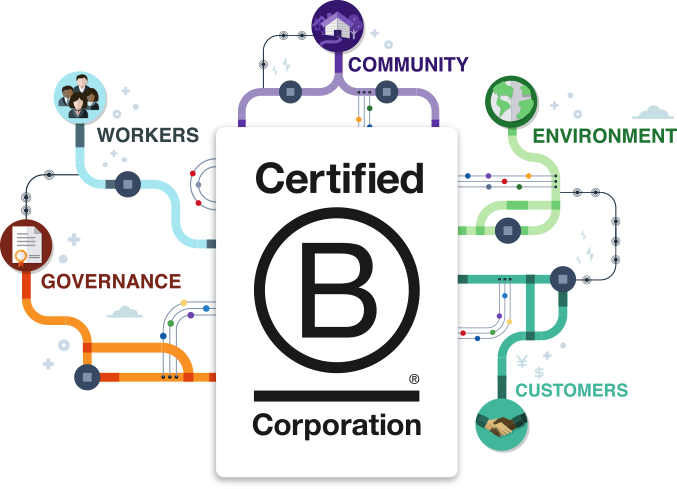
Figure 3: What it means to be certified B Corp (Murray, B., R+M Blog)
E. Climate Finance & Carbon Market Certifications: Funding the Transition
For organizations with ambitious Net-Zero goals, the focus shifts to the Voluntary Carbon Market (VCM). These standards certify the legitimacy and impact of projects designed to reduce or remove greenhouse gas (GHG) emissions.
- Verra (Verified Carbon Standard – VCS): Verra’s VCS is the world’s most widely used GHG crediting program. It provides a robust framework for validating and verifying GHG emission reductions and removals across virtually all sectors. VCS-certified projects issue Verified Carbon Units (VCUs), representing one tonne of CO2 equivalent reduced or removed (Verra website).
- Gold Standard (Gold Standard for the Global Goals): This is known for its high-integrity focus on both climate impact and sustainable development co-benefits. Projects must verify measurable impacts across a minimum of three UN Sustainable Development Goals (SDGs), ensuring community benefits and premium carbon credit pricing (Explore more on Gold Standard for the Global Goals).
The Edha Advantage: Your Partner in Certification Success
The sheer volume and complexity of sustainability certifications can be daunting. This is where Edha Sustainability Solutions steps in. We provide end-to-end guidance and support for any organization seeking to achieve credible sustainability certification.
Our services cover the full spectrum of your needs:
- Assessment and Strategy Development: We help you identify the most relevant certifications for your industry and goals.
- Gap Analysis: We assess your current operations against certification standards, pinpointing areas that require improvement.
- Implementation Support: We guide you through the process of implementing necessary changes, from developing sustainable sourcing policies to preparing for the rigorous audit process.
Whether you’re a farmer certifying organic produce, a construction firm aiming for LEED accreditation, or a multinational corporation validating carbon credits under the Gold Standard, Edha Sustainability Solutions is your dedicated partner.
The Future is Certified Sustainable
Sustainability certifications are more than just labels; they are powerful tools for:
- Build trust and credibility with stakeholders.
- Driving operational efficiencies and innovation.
- Attracting investment and securing new markets.
Do not let the complexity deter you. Embrace the opportunity to demonstrate your commitment to a better future. Contact Edha Sustainability Solutions today, and let us help you make sense of sustainability certifications, transforming your good intentions into recognized, impactful action.
References
Agricultural and Processed Food Products Export Development Authority. Ministry of Commerce and Industry, Government of India. Available at: https://apeda.gov.in/ (Accessed on 28/11/2025).
BREEAM. Available at: https://breeam.com/ (Accessed on 29/11/2025).
Carbon Trust. What we do – Carbon neutral verification. Available at: https://www.carbontrust.com/what-we-do/product-carbon-footprint-labelling/carbon-neutral-verification (Accessed on 1/12/2025).
European Organic Food. Available at: https://euorganicproducts.eu/ (Accessed on 28/11/2025).
Fairtrade Network of Asia and Pacific Producers. The Future is Fair. Available at: https://www.fairtrade.net/napp-en.html (Accessed on 28/11/2025).
FSC. FSC Certification Trusted Worldwide. Available at: https://fsc.org/en (Accessed on 28/11/2025).
Green Rating for Integrated Habitat Assessment
Morningstar (2025). Global sustainable fund flows quarterly data. Available at: https://www.morningstar.com/business/insights/blog/funds/global-sustainable-fund-flows-quarterly-data (Accessed on 28/11/2025).
Murray, B. ‘B(eing) Corp’. R+M. Available at: https://rmagency.com/being-b-corp/ (Accessed on 1/12/2025).
NielsenIQ and McKinsey & Company (2023). Consumers care about sustainability – and back it up with their wallets. Available at: https://nielseniq.com/wp-content/uploads/sites/4/2023/02/Consumers-care-about-sustainability%E2%80%94and-back-it-up-with-their-wallets-FINAL.pdf (Accessed on 28/11/2025).
PEFC. Available at: https://www.pefc.org/ (Accessed on 28/11/2025).
Rainforest Alliance. Guardians of Forests. Advocates of Farmers. Available at: https://www.rainforest-alliance.org/ (Accessed on 28/11/2025).
USDA, Agricultural Marketing Service U.S. Department of Agriculture. Available at: https://www.ams.usda.gov/grades-standards/organic-standards (Accessed on 28/11/2025).
U.S. Green Building Council – LEED. Available at: https://www.usgbc.org/leed (Accessed on 29/11/2025).
Verra. Verified Carbon Standard. Available at: https://verra.org/programs/verified-carbon-standard/ (Accessed on 1/12/2025).