At Edha Sustainability Solutions, we believe that the most meaningful solutions must begin from the ground up, to the two crises of climate change and rural livelihood loss, rooted in the landscapes and communities that live closest to nature. Across India, countless rural regions face the slow depletion of their natural wealth, soils turning barren, wetlands drying up, forests shrinking, and young people migrating away in search of work. Ironically, within these same places lies the potential for regeneration – if people can earn a dignified living by protecting and restoring their local ecosystems, both economy and ecology can thrive together. One of the most promising ways to make this happen is through ecotourism.
“Conservation is a state of harmony between men and land.”
-Aldo Leopold (Father of Wildlife Ecology)
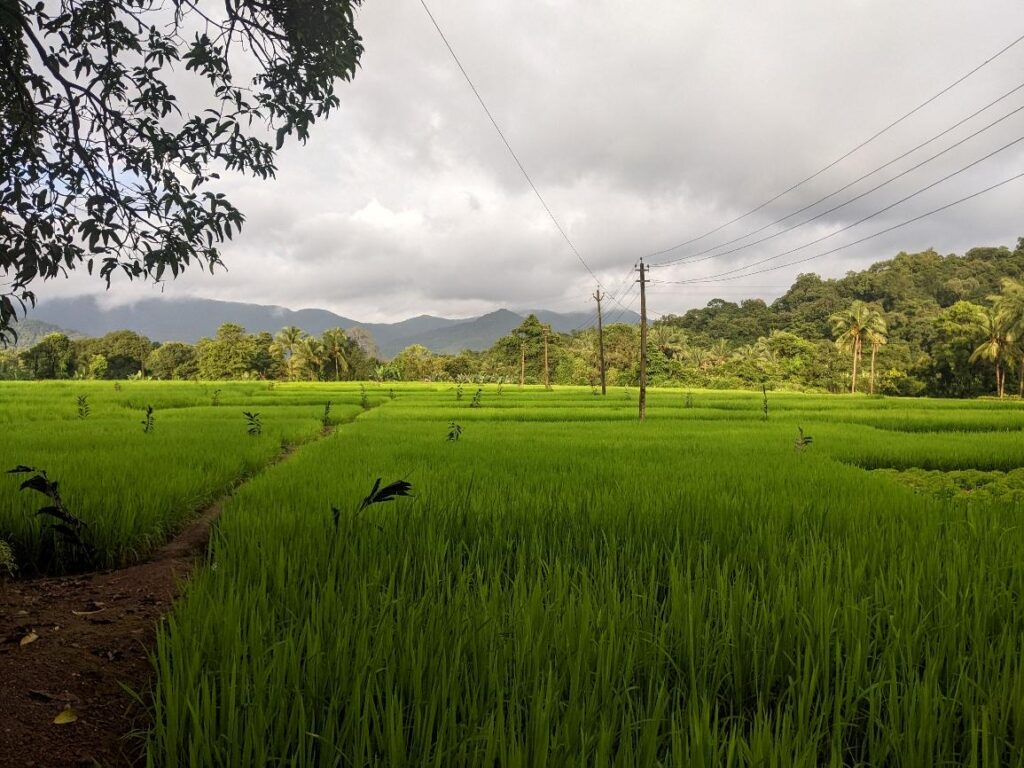
Figure 1: Lush paddy fields against the Western Ghats exemplify the regenerative potential of Goa’s rural landscapes—where ecotourism can help communities restore ecosystems while strengthening local livelihoods.
Ecotourism is far more than travel to beautiful locations. It is an approach where tourism becomes a tool for conservation and community empowerment. When a visitor experiences a forest, a farm, or a wetland in its living, breathing state and acknowledges that their presence contributes to keeping it that way, then a cycle of mutual benefit begins. The local community earns by sustaining the ecosystem, and in doing so, develops a renewed sense of pride and custodianship over their land. For us at Edha, this is the essence of regeneration, creating livelihoods that depend on the health of nature rather than its exploitation.
Several studies reinforce this idea. In the Lolab Valley of Kashmir, for instance, researchers found that community-led ecotourism significantly improved household incomes while encouraging locals to safeguard their forests and streams (Bhat & Kaur, 2024). Environmental stewardship becomes a natural extension of livelihood, as shown by experiences in Chhattisgarh, where local people managed tourism enterprises such as guiding, craft sales, and homestays, leading to both socio-economic benefits and improved conservation outcomes (Singh & Janghel, 2023). Such models work because they return ownership and agency to those who live closest to the land. When conservation is tied to livelihood, sustainability stops being an abstract concept and becomes a daily practice.
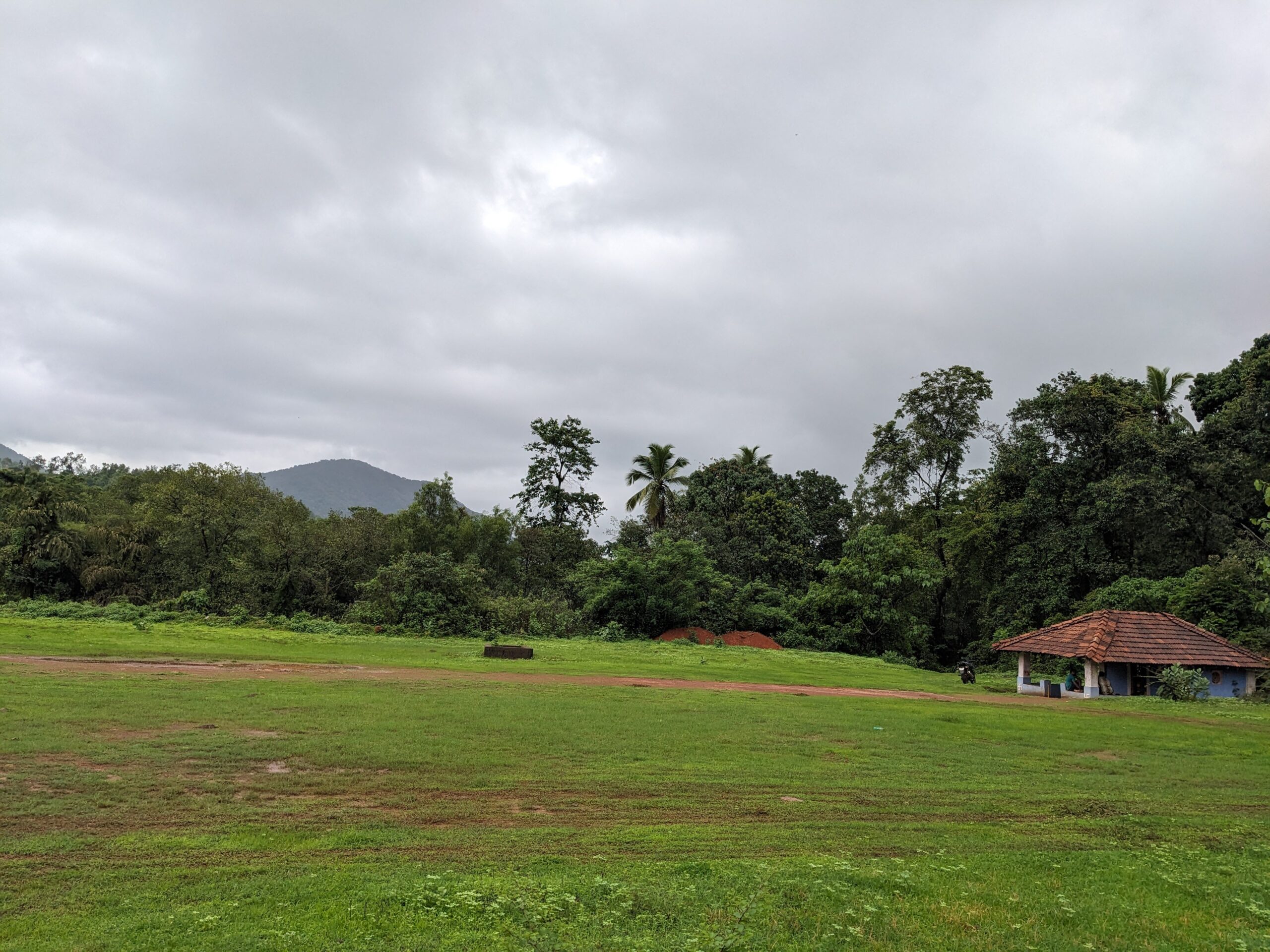
Goa, where we are based, presents a fascinating case for this model. Beyond its famous beaches lies another, less visible Goa – one of lush inland wetlands, mangrove belts, khazan fields, and hilly forests (Goa State Biodiversity Board, 2024). These ecosystems are vital for water regulation, biodiversity, and climate resilience, but many are now under strain from unplanned development and shifting land use. However, Goa’s villages hold a rich heritage of traditional knowledge, cooperative management, and farming practices that have coexisted with nature for centuries. This combination of degraded yet promising landscapes and skilled yet underemployed rural communities make Goa an ideal setting for a regenerative ecotourism model.
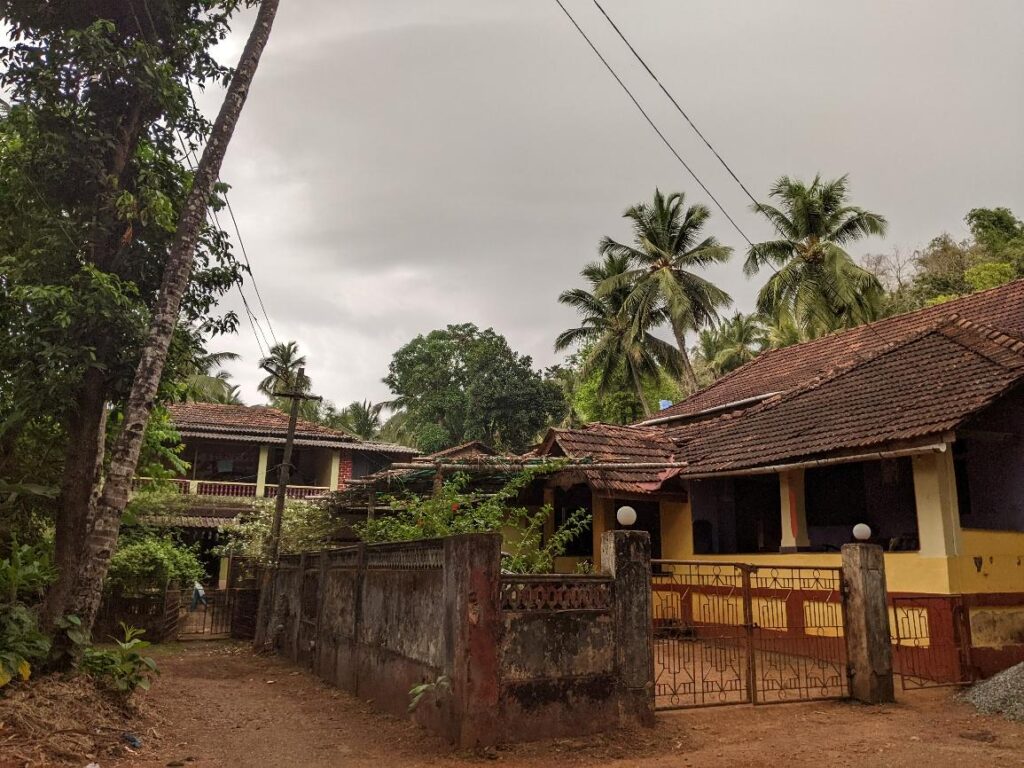
Figure 2: Traditional Goan village homes reflect the cultural heritage that community-based ecotourism seeks to protect, ensuring that tourism uplifts local families while preserving the identity of rural settlements.
The village of Gaondongrem in South Goa is a perfect example. Identified as a model agri-ecotourism village, Gaondongrem’s initiative integrates agriculture, conservation, and local entrepreneurship (Times of India, 2025). In this context, Edha envisions a living laboratory for rural regeneration – a place where visitors participate in the rhythms of farm life, learning about soil, composting, and native crops, while contributing directly to the community’s income and ecological restoration. Farm-stays, guided nature walks, and local produce markets can provide tangible livelihoods, while simple circular systems like composting and water reuse can demonstrate self-sufficiency. The idea is to design an ecosystem where tourism fuels regeneration, not exploitation, a cycle where the health of the land and the well-being of the people rise together.
In North Goa, Morjim offers a different but equally powerful lesson. Known for its olive ridley turtle nesting beaches (Figure 3), Morjim has seen both the benefits and the costs of mass tourism. While tourism created jobs, it also disturbed the fragile coastal ecosystem, leading to dune erosion and waste accumulation (Living Waters Museum, 2023). Research by the Living Waters Museum highlights how unregulated tourism affected the local ecology and culture, but also how community-led approaches could restore balance (Living Waters Museum, 2023). Edha’s vision for Morjim is to create a small-scale, community-managed model where local youth are trained as conservation guides, women’s groups run eco-craft markets, and visitors contribute to dune and mangrove restoration through experiential learning. Here, tourism would no longer be something that happens to the community, but something the community shapes on its own terms.
“The environment and the economy are really both two sides of the same coin. If we cannot sustain the environment, we cannot sustain ourselves.”
– Wangari Maathai (Nobel Laureate, Environmentalist)

Figure 3: Protected turtle nesting zones on Morjim Beach, with forest-department signboards guiding visitors to reduce disturbance. Source: Incredible Goa — their conservation feature on turtle nesting beaches.
What connects these two examples is the belief that conservation and livelihood must grow from the same root. Community participation ensures that decisions are locally relevant and benefits equitably shared. Ecological restoration gives tourism authenticity and purpose. Together, they create circular systems that regenerate both nature and society. This idea is not new, but it becomes transformative when combined with modern sustainability tools such as data-driven monitoring of soil and biodiversity, transparent governance, and partnerships with local governments, NGOs, and responsible corporates.
Of course, such models must tread carefully so that the risk of turning “eco” into a marketing prefix is avoided. Over-tourism, inequitable profit-sharing, and loss of cultural integrity can undo even the best intentions. At Edha, we approach ecotourism as a slow, deliberate process – small groups of visitors, minimal-impact infrastructure, and governance rooted in the village itself. Any income generated must circulate locally into education, restoration, and improved community services so that the benefits of sustainability are visible and immediate. This is what makes regeneration practical rather than idealistic.
In the end, ecotourism for us is not about selling the beauty of nature but about deepening our relationship with it. It is about visitors coming not to consume, but to learn, to participate, and to leave a place better than they found it. It is about communities reclaiming their role as custodians of land and culture, earning livelihoods with dignity. And it is about creating circular, decentralised models where waste becomes resource, where soil becomes wealth, and where every act of livelihood contributes to restoration.
Goa’s landscapes, its wetlands, forests, farmlands, and coastlines, are small enough to be intimate yet diverse enough to offer global lessons. If done right, ecotourism here can redefine what sustainable development means, not growth at nature’s cost, but prosperity through regeneration. This is the vision at Edha Sustainability Solutions are committed to, where ecology and economy walk together, and where every journey into nature becomes a step toward healing it.
References
1. Bhat, M. A., & Kaur, H. (2024). Sustainable Ecotourism for Poverty Alleviation and Conservation in the Lolab Valley, Kashmir. Springer Nature.
https://link.springer.com/article/10.1007/s44274-024-00181-8
2. Goa Forest Department & Goa State Biodiversity Board (2024). Biodiversity Strategy and Action Plan for Goa (GSBB, 2024). Government of Goa.
3. Incredible Goa (2018). Conservation of turtle nests at the Goan beaches; awareness and protection.
4. Jadhav, R. & Tiwari, S. (2022). Ecotourism and Rural Development: A Study from Central India. International Journal of Research and Analytical Reviews, 9(4), 140–148.
https://www.iarj.in/index.php/ijracm/article/view/445
5. Khan, S. & Farooq, R. (2024). The Socio-Economic Impact of Ecotourism on Rural Communities in India. Asian Journal of Environment & Ecology, 24(2), 13–28.
https://www.e-palli.org/index.php/ajee/article/view/356
6. Living Waters Museum. (2023). The Impact of Tourism on Morjim: Balancing Development and Ecology.
https://goawaterstories.livingwatersmuseum.org/stories/the-impact-of-tourism-on-morjim
7. Naik, A., & D’Souza, P. (2022). Exotic Village Tourism in Saligao and Candolim: A Case Study of Rural Goa. Tourism and Hospitality Research Journal. Publishing India.
https://www.publishingindia.com/GetBrochure.aspx?query=UERGQnJvY2h1cmVzfC83OTMucGRmfC83OTMucGRm
8. Patel, D., & Nayak, M. (2023). Tourists’ Expectations and Satisfaction towards Ecotourism in Goa: An Empirical Study. Academia.edu Preprint.
9. Sharma, P., & Mehta, V. (2023). Challenges and Opportunities of Ecotourism in Developing Economies: A Review. Global Insights Journal, 5(2), 88–102.
https://globalinsightsjournal.com/gij/index.php/journal/article/view/42
10. Singh, R., & Janghel, D. (2023). Community-Based Ecotourism and Livelihood Development in Forested Regions of Chhattisgarh. Journal of Geography, Environment and Earth Science International, 27(1), 34–47.
https://journaljgeesi.com/index.php/JGEESI/article/view/921
11. Times of India (2025). Gaondongrem Proposed to be Model Agri-Ecotourism Village in Goa.